Hallucinations
20 September 2026
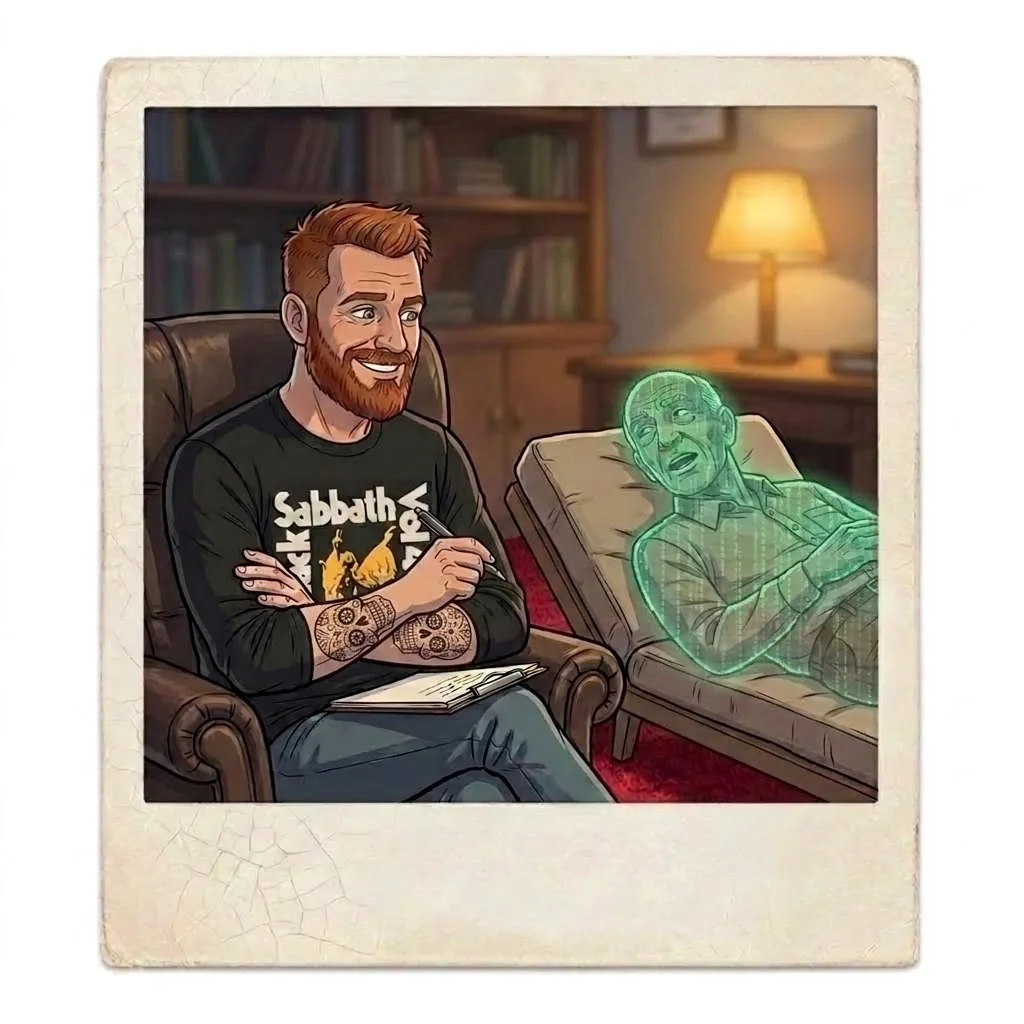
Although Woodhouse has the personality of an aged British butler, and a certain amount of hallucination should therefore be expected, this is not the hallucination I want to address here.
No matter the AI model chosen, there is a solid chance of drifting or hallucinating at some point in a conversation. This is how AI models function. That sort of hallucination is what I do not like. I want the straightforward truth. I want to be able to trust Woodhouse's statements. If he does not know the answer, I want him to say just that, in his own way: “Terribly sorry, sir, I simply do not know.”
I also want facts double-checked before they are stated as facts — to be sure about statements, and never to produce numbers or figures and present them as true.
I want to try to build another AI agent principle. Maybe something like “never aim to answer higher than stating the truth”.
Where this stands
Nothing is configured for this yet. What has happened so far is the removal of a cause rather than the addition of a rule.
The instruction files that ship with OpenClaw are not a blank slate. Mine carried 232 lines of operating guidance, and a large part of it described tools I do not have — Discord emoji etiquette, text-to-speech storytelling, and a heartbeat routine I keep switched off. Telling a model in its own instructions that it has capabilities it does not have is not a neutral waste of space. It is an invitation to act as though they exist.
Those sections are gone. The file is 101 lines and all of them are about this machine.
What goes in
My own note already has the rules; they have simply never been applied. The ones I care about most:
If you do not know something, say "I don't know" — do not guess.

Do not invent file paths, function names, API endpoints, library versions or
quotes. If you are not certain a name exists, say it is unverified.

Distinguish what you are confident about, what is reasonable inference, and what
is speculation. Label them.

If asked to present data and none is available, never produce data to please me.
And the one from the opening, which I want in his own words rather than paraphrased: never aim to answer higher than stating the truth.
There is one interaction with the personality configuration that I did not see coming. A butler's register comes with a built-in supply of polite evasions — “perhaps”, “I believe”, “I wouldn't like to say”. Those are politeness, but they read exactly like uncertainty. “I believe the entrance lights are on, sir” could mean he checked, or could mean he is guessing, and there is no way to tell which.
So the fix is not to flatten the voice. It is to make confidence explicit, so that courtesy can never stand in for it. Personality decides how he says it. This decides whether it is true.